In Florida, we’re blessed with beautiful sunsets, miles of shoreline, and a lifestyle that brings the outdoors right into our daily lives. But living in paradise also means respecting Mother Nature. We know how a sudden afternoon storm can quickly turn into something more serious, and as a roofing company rooted in this community, we’ve weathered our share of hurricanes alongside our neighbors. Even though our specialty is protecting your home from the top down, we believe a well‑prepared homeowner is the best defense against whatever the next storm season may bring. That’s why we’re sharing a comprehensive hurricane preparedness guide to help you keep your family safe and your property secure—roof and all—long before a storm appears on the radar.
Understanding Florida’s Hurricane Season
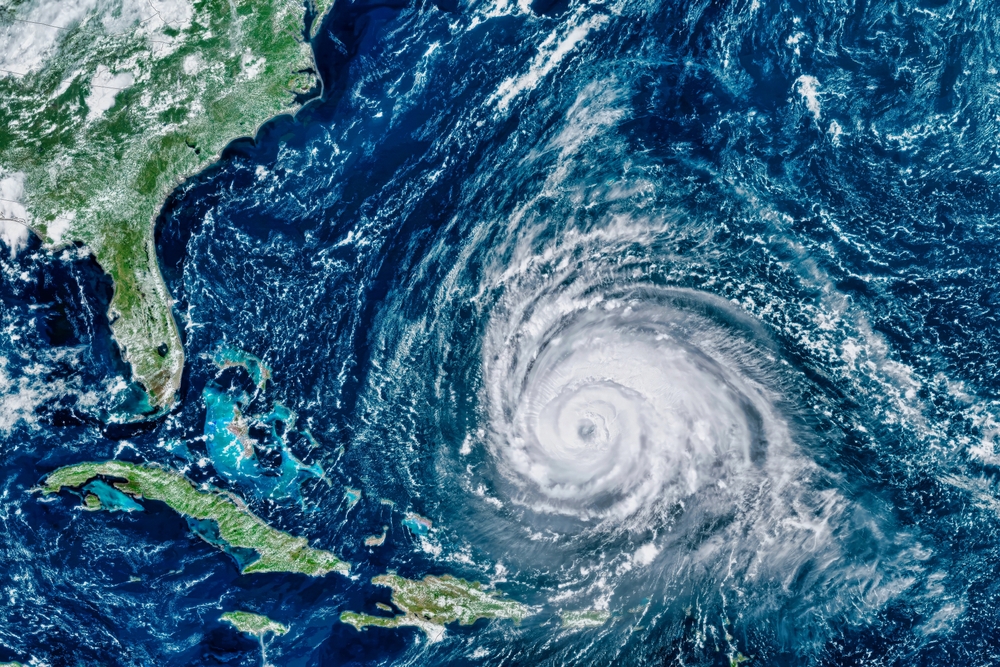
Hurricane season officially runs from June 1st through November 30th, peaking from mid‑August to late October. During this period, the Atlantic and Gulf waters are warm enough to fuel tropical storms and hurricanes. While forecasters provide ample warning and track storms closely, it’s the responsibility of every homeowner to stay informed and prepare ahead of time.
Meteorologists use categories on the Saffir‑Simpson scale to describe storm intensity, but even a Category 1 hurricane can cause significant damage through storm surge, flooding, and wind. Tropical storms, though weaker, bring heavy rainfall and can spawn tornadoes. That’s why having a plan isn’t just prudent—it’s essential.
Inspect and Strengthen Your Home
1. Secure Doors and Windows
Installing hurricane shutters or impact‑resistant windows is one of the best investments a homeowner can make. These barriers prevent broken glass and windborne debris from entering your home. If shutters aren’t an option, pre‑cut and label plywood panels for each window and door. Reinforce garage doors with braces or retrofit kits designed for high winds.
2. Review Your Roof
We might be biased, but we know the roof is your home’s first line of defense. If you haven’t had a roof inspection recently, schedule one well before storm season. Make sure shingles, tiles, or metal panels are secure, flashing is intact, and gutters are clear of debris so water can flow freely. Reinforcing roof decking with additional nails or clips can further increase wind resistance, and for homes with older roofs, consider having a secondary water barrier installed beneath the roofing material.
3. Clear the Yard
Outdoor furniture, grills, potted plants, and decorative items can become projectiles in high winds. Identify a storage space—garage, shed, or interior room—where these items can be moved before a storm. Trim trees and shrubs away from your home to minimize the risk of falling limbs. Remove dead or damaged branches and consider professional help for large trees.
4. Check Drainage and Elevation
Flooding is a significant hazard in low‑lying areas. Ensure that your property’s grading slopes away from your home to prevent water from pooling at the foundation. Clean drains and downspouts, and consider installing French drains or a sump pump in particularly flood‑prone yards. Sandbags can provide a temporary barrier around doors and low‑lying entry points if heavy rain is expected.
Prepare an Emergency Supply Kit
An emergency supply kit is your lifeline when roads close and utilities may be unavailable for days. Prepare a kit tailored to the needs of your household, and store it in a waterproof container. Your kit should include:
- Water: One gallon per person per day for at least three days.
- Non‑perishable food: Enough for each person, including protein bars, canned goods, peanut butter, and baby formula.
- Manual can opener and eating utensils.
- First‑aid supplies: Bandages, antiseptic, over‑the‑counter medications, and any prescription medications (with at least a week’s supply).
- Important documents: Copies of insurance policies, birth certificates, and medical records sealed in waterproof bags.
- Flashlights and battery‑powered lanterns with extra batteries. Avoid candles, which can present a fire hazard.
- Portable radio or NOAA Weather Radio to monitor storm updates if cell towers go down.
- Phone chargers, including portable battery packs.
- Personal hygiene items: Sanitizer, feminine supplies, baby wipes, and toiletries.
- Cash: ATMs and credit card systems may not function during or immediately after a storm.
- Basic tools: Wrench or pliers to shut off utilities if needed, and a multi‑tool or Swiss Army knife.
- Emergency blankets, sleeping bags, or bedding.
- Pet supplies, including food, water, leashes, and vaccination records. Remember that shelters require proof of pet vaccinations.
- Entertainment, especially for children—books, cards, or games—to help reduce stress during extended stays indoors.
Develop a Family Communication Plan
During a hurricane, cell service can be disrupted, and families are often separated by work, school, or errands when warnings are issued. Take time to create a communication plan that ensures everyone knows how to reconnect.
- Designate an out‑of‑town contact: It may be easier to call or text someone outside the affected area. Share this contact’s information with each family member and agree to check in at specific intervals.
- Establish meeting points: Identify two meeting locations—one near your home and one outside your neighborhood in case local roads are blocked or evacuation orders are issued.
- Know evacuation routes: Familiarize yourself with local hurricane evacuation routes. Keep maps in your emergency kit in case GPS signals fail.
- Discuss responsibilities: Assign tasks such as gathering pets, grabbing the emergency kit, or securing outdoor furniture so that everyone knows what to do when a storm is imminent.
Understand Insurance and Document Your Property
Before hurricane season, review your homeowners’ insurance policy. Many standard policies cover wind damage but exclude flood damage, which requires separate coverage. Speak with your insurance agent to clarify deductibles, coverage limits, and exclusions.
Document your property by taking photos or video of each room, making notes of serial numbers, and keeping receipts for major purchases. Store these records alongside your important documents so you can file accurate claims if needed.
Evacuation vs. Sheltering in Place
Officials will issue evacuation orders when storm surge or flooding poses significant risk. Respect these orders; staying behind can put you and emergency responders in danger. Prepare an evacuation kit that you can grab quickly: your emergency supplies, clothing, important documents, and a small tool kit. Identify lodging options—friends, family, hotels, or shelters—before a storm hits, especially if you have special medical needs or pets.
If you stay home during a storm, pick the safest room—usually a windowless interior room on the lowest floor. Have mattresses or heavy blankets on hand to protect against flying debris. Keep your emergency kit within reach and stay tuned to local news via battery‑powered radio or smartphone (if service is available).
After the Storm
Even after the winds subside, hazards remain. Exercise caution when venturing outside. Downed power lines, contaminated floodwaters, weakened trees, and damaged structures present serious risks.
- Check on neighbors: Particularly the elderly or those with limited mobility. Our communities are strongest when we support one another.
- Inspect your home carefully for structural damage, water intrusion, and potential gas leaks. If you smell gas, leave immediately and call the gas company or fire department.
- Avoid floodwater: It can contain bacteria, chemicals, and debris. Do not wade or drive through standing water.
- Photograph damage before making temporary repairs. Keep receipts for any supplies used for repairs; these may be reimbursed by insurance.
- Prioritize safety: Turn off the main power if there is water in your home or if you see damaged wires.
While it may be tempting to start repairs right away, leave structural repairs to licensed professionals. Unlicensed work can lead to further damage and may void insurance coverage. If your roof sustains damage, contact a licensed and insured roofing contractor who understands Florida’s building codes and can work with your insurance adjuster to ensure proper repair or replacement.
Staying Connected to the Community
Our company has served Florida homeowners for generations, and we’ve seen how communities come together after storms. Beyond preparing your own home, consider volunteering with or donating to local relief organizations that help those hit hardest. Whether it’s clearing debris, delivering supplies, or providing meals, every small effort makes a difference.
We also recommend joining or following local emergency management agencies on social media. They provide timely updates on shelters, road closures, and recovery resources. Sign up for county or city alert systems, which can send text messages or emails about imminent threats.
Final Thoughts
Preparing for hurricane season isn’t a one‑time event; it’s an ongoing commitment to your family’s safety and your community’s resilience. By securing your property, assembling emergency supplies, planning for communication and evacuation, and understanding your insurance coverage, you reduce uncertainty and stress when storms loom on the horizon.
As a roofing company, our mission is to protect your home with durable craftsmanship, but our responsibility goes beyond shingles and tiles. We believe that a well‑prepared homeowner is a safer homeowner. The steps you take now—whether it’s reinforcing windows, trimming trees, stocking supplies, or reviewing insurance—can make all the difference in the face of nature’s unpredictability.
We encourage you to start your preparations today. Talk with your family, gather your supplies, and connect with neighbors. If you have questions about inspecting your roof as part of your hurricane readiness plan, we’re here to help. By working together and staying proactive, we’ll ensure our Florida communities are ready for anything the storm season brings. Stay safe, stay prepared, and let’s look out for one another.