
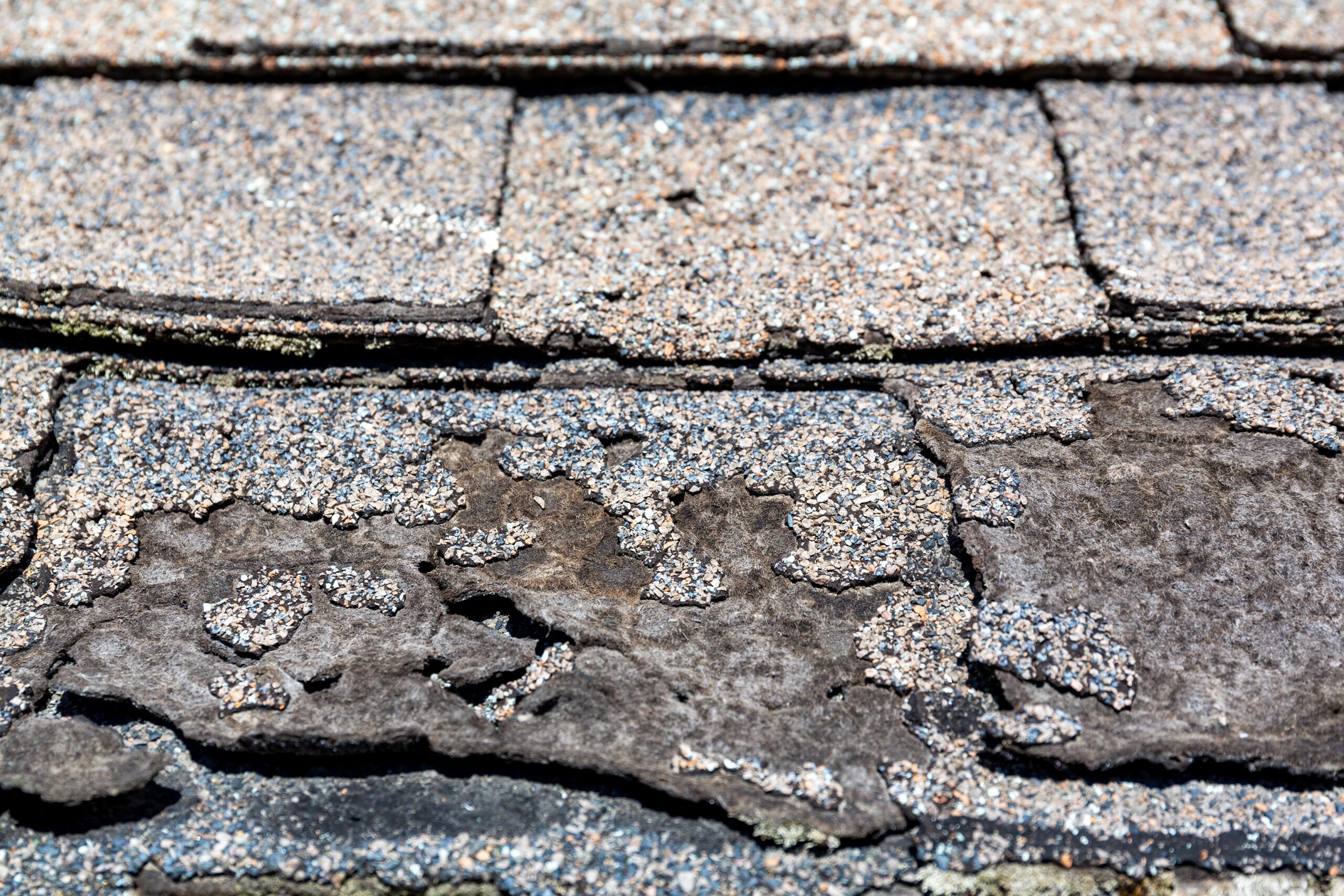
Florida’s climate can be hard on every part of a home, but the roof often takes the greatest daily impact. While storms get most of the attention, constant sun exposure, high temperatures, and ultraviolet (UV) radiation can quietly wear down asphalt shingle roofs over time. Unlike sudden storm damage, this type of deterioration occurs gradually, making it easier for homeowners to miss until more visible roofing problems appear.
For homeowners, this creates a different kind of risk. A roof may look fine from the ground, but prolonged heat and UV exposure may already be weakening the shingles, reducing their flexibility, and shortening the roof’s usable lifespan. As the materials age, the roof becomes more vulnerable not only to leaks but also to future storm damage, wind uplift, and moisture intrusion.
Understanding how Florida heat and UV rays affect asphalt shingles (and knowing what to look for as the roof ages) can help homeowners take preventative action before small issues become major repairs. Roof Riders helps Florida homeowners identify heat-related roof damage, evaluate the condition of aging shingles, and recommend the right solutions to protect long-term roof performance.
Quick Answer: How Heat and UV Rays Damage Shingle Roofs
Florida heat and UV exposure damage asphalt shingle roofs by gradually breaking down roofing materials over time. This damage often appears in several forms:
- Granule loss, which reduces the shingle’s protective surface
- Drying and brittleness, which makes shingles more likely to crack
- Curling, warping, or distortion, which creates vulnerable gaps
- Weakened adhesive seals, which reduce wind resistance
Even without a hurricane or severe storm, long-term exposure to sun and heat can significantly weaken a roof and make it more vulnerable to future damage.
Why Florida’s Climate Is So Hard on Asphalt Shingles
Florida’s weather creates a uniquely demanding environment for roofing systems. Homes are exposed to intense sun for much of the year, along with long periods of heat, humidity, and afternoon temperature swings. While shingles are designed to withstand outdoor exposure, constant high temperatures and UV radiation accelerate their aging.
Ultraviolet rays gradually break down the chemical structure of asphalt shingles. At the same time, the roof surface heats up throughout the day and cools down at night, causing repeated expansion and contraction. That constant movement puts stress on the shingles and the adhesive seals that help hold them in place.
In Florida, the issue is usually not a single event. It is the cumulative effect of daily exposure. Over months and years, this gradual wear can weaken the roof system and reduce its ability to withstand rain, wind, and future storms.
4 Common Ways Heat and UV Rays Damage Shingle Roofs
1. Granule Loss and Surface Wear
One of the earliest signs of heat-related roof wear is granule loss. The granules on asphalt shingles serve an important purpose: they help protect the underlying shingle material from UV exposure and weathering.
As shingles age under constant heat and sunlight, these granules begin to loosen and wear away. Some granule loss is normal over time, but excessive accumulation in gutters or near downspouts can indicate that the shingles are deteriorating faster than expected.
When shingles lose too many granules, the underlying asphalt becomes more exposed. This speeds up the aging process and reduces the roof’s ability to handle both sun exposure and future weather events.
2. Drying, Brittleness, and Cracking
Heat exposure can gradually dry out asphalt shingles. As they lose flexibility, they become more brittle and less able to absorb movement or stress.
Brittle shingles are more likely to crack under pressure. This is especially important in Florida, where roofs are not only exposed to heat but also to frequent wind events. A roof that has already become brittle from sun exposure is less prepared to handle the next thunderstorm or tropical system.
Cracking may start small, but over time, it can create weak points that allow water intrusion. Once moisture enters the system, repair needs can become much more extensive.
3. Curling, Warping, and Distortion
As shingles heat up and cool down repeatedly, they can begin to change shape. This often appears as curling at the edges, warping across the roof surface, or uneven shingle alignment.
These shape changes matter because they can create openings where water can enter. Curled shingles may also become more vulnerable to wind uplift, since raised edges are easier for wind to catch during storms.
Warping and distortion do not always mean immediate failure, but they are often signs that the roofing material has been under long-term thermal stress and is no longer performing as it should.
4. Weakened Adhesive Seals and Reduced Wind Resistance
Asphalt shingles rely on adhesive seal strips to remain properly bonded to the roof. Heat can affect these seals over time, especially when shingles have already aged or dried out.
When seals weaken, shingles become easier to lift during high winds. This means that heat damage can create a hidden problem that only becomes obvious during a later storm.
In many cases, Florida homeowners first discover that their roof has been weakened by heat only after a thunderstorm or hurricane lifts or blows off shingles more easily than expected.
What to Check for Heat-Related Roof Damage
Homeowners can often spot signs of heat and UV damage before major problems develop. While it is important not to walk on the roof without proper safety precautions, several warning signs can be identified from the ground or during routine property checks.
Look for the following:
- Granules collecting in gutters or near downspouts
- Shingles that appear faded, dry, or discolored
- Cracked or brittle-looking shingle surfaces
- Curling edges or uneven roof lines
- Areas of the roof that appear warped or aged faster than others
- Interior signs, such as attic heat buildup or occasional moisture concerns
These signs do not always indicate that the roof has failed, but they often indicate that the shingles are aging under the stress of Florida’s climate and should be professionally evaluated.
Why Heat Damage Isn’t Always Immediately Visible
One of the biggest challenges with heat and UV damage is that it happens slowly. There is no single storm or impact event that clearly signals the problem. Instead, the roof may lose performance gradually over time.
Shingles can appear mostly intact while still becoming brittle, losing granules, or weakening at the seal line. These changes may not stand out from the driveway, but they can already be affecting the roof’s ability to resist water and wind.
Hidden heat-related deterioration can lead to:
- Reduced wind resistance during storms
- Slow moisture intrusion through weak points
- Premature aging of surrounding roof components
- A shorter overall roof lifespan
Because the damage is progressive rather than sudden, many homeowners do not realize how much heat and UV exposure have affected their roof until more serious symptoms begin to appear.
How Roof Age Affects Heat and UV Damage
The age of the roof plays a major role in how it responds to Florida heat. As shingles age, they become less flexible, more brittle, and more prone to UV-related breakdown.
Older roofs are more likely to show:
- Increased granule loss
- Surface cracking
- Curling or distortion
- Reduced adhesive strength
- Greater vulnerability during storms
A roof that is more than 10 to 15 years old may still be functioning, but it is often more susceptible to accelerated aging in Florida’s climate. That makes regular inspection especially important as the roof gets older.
How Roof Riders Helps Identify Heat-Related Roof Damage
Roof Riders provides comprehensive inspections designed to identify both visible and developing signs of heat-related roof deterioration.
Our inspection process includes:
- Evaluating shingle condition and overall surface wear
- Checking for granule loss, cracking, and curling
- Reviewing the condition of flashing and roof penetrations
- Assessing areas where heat-related aging may increase storm vulnerability
- Recommending maintenance, repair, or replacement based on overall roof condition
By identifying issues early, we help homeowners take the right steps to extend roof life and reduce the chance of more serious damage later.
When to Schedule a Professional Inspection
You should consider scheduling a professional roof inspection if your home is experiencing any of the following:
- Noticeable granule loss in gutters
- Visible cracking, curling, or warping of shingles
- A roof age of more than 10 years
- Prolonged exposure to direct sun with little shade
- Concerns about how the roof will perform during storm season
Even if there are no active leaks, a professional evaluation can reveal whether heat and UV exposure are beginning to compromise the roof.
How to Reduce Future Heat and UV Damage
While no roof can completely avoid Florida’s climate, there are steps homeowners can take to reduce long-term heat-related wear.
These include:
- Scheduling regular roof inspections
- Addressing small issues before they worsen
- Maintaining proper attic ventilation
- Keeping gutters and drainage systems clear
- Choosing high-quality roofing materials designed for hot climates
Preventative maintenance can make a significant difference in how well a roof handles long-term heat exposure and future weather events.
Heat and UV Roof Damage FAQ
Can Florida heat alone damage asphalt shingles?
Yes. Prolonged exposure to heat and UV rays can gradually weaken shingles, even without storm damage.
What are the first signs of heat-related roof wear?
Granule loss, fading, brittleness, and curling edges are some of the most common early signs.
Does UV damage make a roof more vulnerable to storms?
Yes. As shingles age and lose flexibility, they become less resistant to wind and water intrusion.
Should I inspect my roof if it looks fine from the ground?
Yes. Heat-related damage often develops gradually and may not be obvious without a closer evaluation.
Protect Your Roof from Florida’s Heat
Florida’s sun can have a serious long-term impact on asphalt shingle roofs, even when there are no major storms involved. By understanding how heat and UV exposure affect roofing materials and knowing what signs to watch for, homeowners can take action before small issues become more expensive repairs.
If you believe your roof may be showing signs of heat-related wear, Roof Riders can provide a professional inspection and recommend the right solutions to keep your home protected and your roof performing reliably.