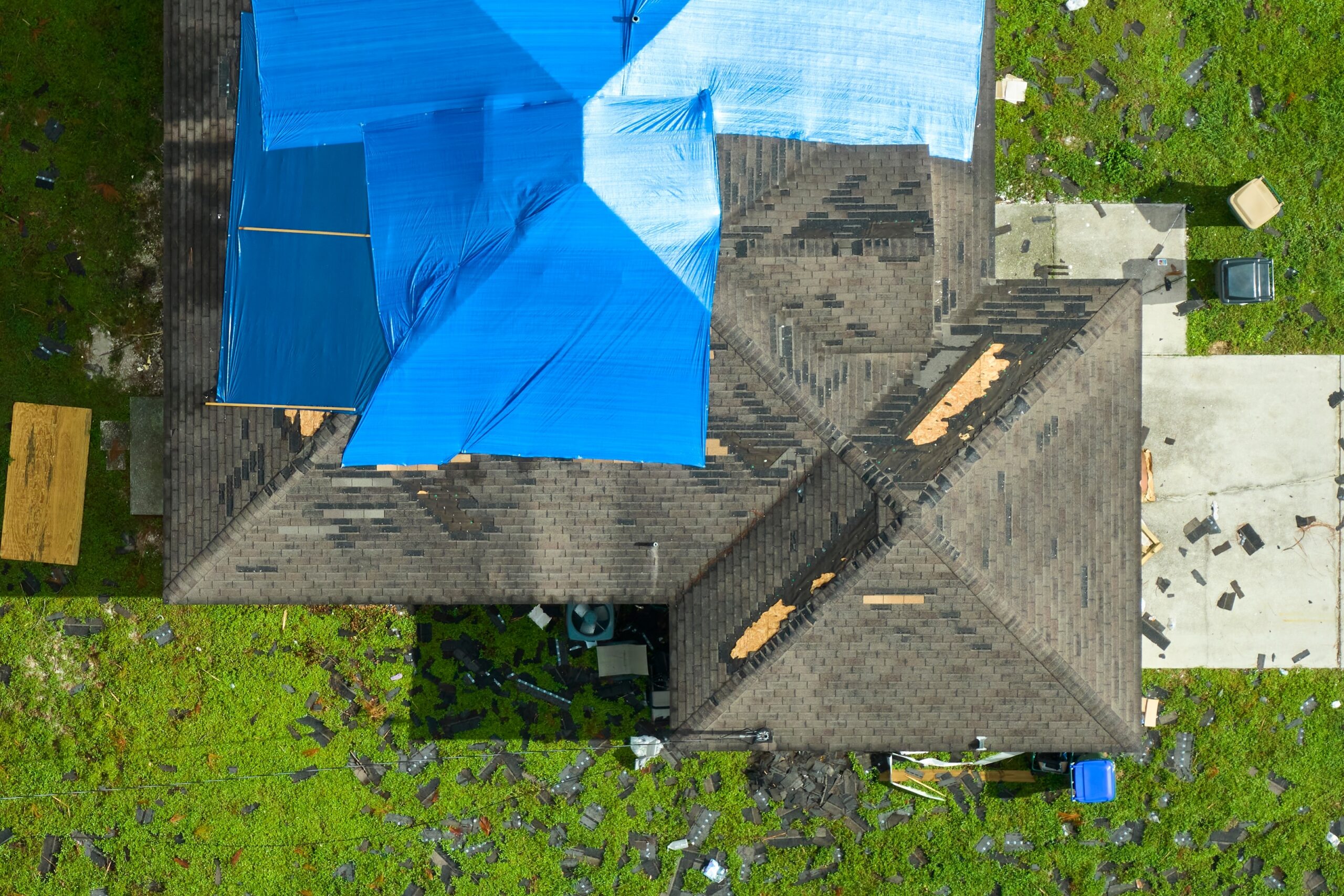
Storm damage can happen quickly in Florida, and when it does, your roof is often the first part of your home to be affected. High winds, heavy rain, and airborne debris can create immediate vulnerabilities that allow water to enter the roofing system. In some cases, the damage is obvious, such as missing shingles or fallen branches. In others, the damage may be less visible but still serious.
This creates a critical situation for homeowners. Even a small opening in the roof can allow water to spread into insulation, ceilings, and structural components. Because Florida’s climate includes frequent rain and high humidity, moisture can remain trapped and continue causing damage long after the storm has passed.
Emergency roof repair is not just about fixing visible issues—it is about stabilizing the home, preventing further damage, and ensuring the roof is properly restored. Knowing what to do immediately after a storm can help reduce repair costs, protect your property, and avoid long-term problems. Roof Riders works with Florida homeowners to provide fast inspections, emergency stabilization, and reliable repair solutions when they are needed most.
Quick Answer: What to Do After Storm Roof Damage
After storm-related roof damage, homeowners should:
- Stay safe and avoid climbing onto the roof
- Perform a ground-level and interior inspection
- Document all visible damage carefully
- Take temporary steps to prevent further water intrusion
- Contact a professional roofing contractor as soon as possible
The top priority is to limit additional damage while preparing for a comprehensive, professional repair assessment.
Why Emergency Roof Repair Is Critical in Florida
Florida’s climate makes roof damage more urgent than in many other regions. Heavy rain can occur suddenly and repeatedly, while high humidity slows the drying process once moisture enters the home.
When a roof is compromised, water does not stay in one place. It can travel along beams, insulation, and interior surfaces, affecting multiple areas before becoming visible. This means the damage you see may only represent a portion of the actual problem.
In addition, storms in Florida often occur close together. A roof weakened by one storm may be more vulnerable during the next. Acting quickly helps prevent compounding damage and reduces the risk of more extensive repairs.
4 Common Types of Emergency Roof Damage
1. Missing Shingles and Exposed Roof Areas
One of the most urgent types of damage occurs when shingles are missing. This exposes the underlying roof deck directly to rain and debris.
When this happens, water can begin entering the roof immediately. Even a small exposed section can allow moisture to spread into surrounding materials. Over time, this can lead to interior leaks, damaged insulation, and structural issues.
Because of the immediate risk, missing shingles should always be treated as a priority repair.
2. Active Roof Leaks and Water Intrusion
Active leaks are one of the clearest signs that emergency repair is needed. Water may drip from ceilings, run along walls, or pool in certain areas of the home.
These leaks indicate that water has already entered the roofing system and is moving through interior materials. In many cases, the source of the leak may not be directly above where the water appears inside.
If left unaddressed, ongoing water intrusion can damage drywall, flooring, and structural components, making early response essential.
3. Impact Damage from Storm Debris
Storms often generate flying debris such as branches, palm fronds, and loose materials. When these objects strike the roof, they can cause localized damage that weakens the surface.
Impact damage may include:
- Cracked or fractured shingles
- Dented or bruised roofing areas
- Small punctures that expose underlying layers
Even when damage appears minor, these areas can become entry points for water during future rain.
4. Damaged Flashing and Roof Penetrations
Flashing is installed around vents, chimneys, and other roof features to direct water away from openings. During a storm, flashing can loosen, bend, or shift slightly.
Even small changes can create gaps where water can enter. Because these areas are already vulnerable, flashing damage often leads to leaks more quickly than other types of issues.
This type of damage is not always visible from the ground, which makes professional inspection especially important.
What to Check Immediately After a Storm
After a storm has passed and it is safe to do so, homeowners should perform a basic inspection of their property.
Look for the following:
- Missing, loose, or uneven shingles
- Debris or fallen branches on the roof
- Pieces of roofing material in your yard
- Water stains or discoloration on ceilings
- Dripping water or active leaks
- Damp insulation or musty odors in the attic
These signs may indicate that emergency repairs are needed and should not be ignored.
Why Some Roof Damage Requires Immediate Attention
Not all roof damage is urgent, but certain conditions require immediate action to prevent further problems.
When the roof is exposed or leaking, water can continue entering the home during rain. This ongoing exposure increases the likelihood of widespread damage.
If left untreated, this can lead to:
- Mold and mildew growth
- Rotting wood structures
- Damage to insulation and drywall
- Increased repair costs over time
Addressing these issues quickly helps limit their impact and prevents more serious complications.
Temporary Steps to Prevent Further Damage
Before permanent repairs can be completed, temporary measures can help protect your home from additional damage.
These may include:
- Placing a tarp over exposed areas
- Catching leaks with containers or buckets
- Moving furniture away from affected areas
- Drying wet surfaces when possible
Temporary solutions are not a replacement for repairs, but they play an important role in stabilizing the situation until professional work can be completed.
Why Roof Damage Isn’t Always Fully Visible
Some emergency roof issues are easy to identify, but others may be hidden beneath the surface.
Shingles may appear intact while their adhesive seals are broken. Flashing may shift slightly without obvious gaps. Water may enter slowly and spread before becoming visible inside the home.
Hidden damage can result in:
- Delayed leaks
- Interior staining
- Mold growth
- Structural deterioration
Because of this, a visual inspection alone may not be sufficient to fully assess the roof’s condition.
How Roof Riders Helps After Storm Damage
Roof Riders provides fast, reliable support to homeowners facing emergency roof damage.
Our process includes:
- Conducting detailed roof inspections
- Identifying visible and hidden damage
- Recommending temporary stabilization when needed
- Providing long-term repair solutions
By addressing problems early, we help homeowners reduce damage and restore their roof’s performance.
When to Call for Emergency Roof Repair
You should contact a professional if your home experiences:
- Active leaks during or after a storm
- Missing shingles or exposed areas
- Debris impact on the roof
- Interior signs of water damage
Even if the damage appears minor, early evaluation can help prevent more serious issues.
How to Reduce Future Emergency Roof Damage
While storms cannot be prevented, homeowners can take steps to reduce the likelihood of emergency repairs.
These include:
- Scheduling regular roof inspections
- Addressing minor issues promptly
- Keeping gutters and drainage systems clear
- Trimming nearby trees and branches
- Using durable, weather-resistant materials
Preventative maintenance can improve how your roof performs during future storms.
Emergency Roof Repair FAQ
What qualifies as a roofing emergency?
Active leaks, missing shingles, and exposed areas are common emergencies.
Should I repair damage immediately?
Yes. Prompt action helps prevent further damage.
Can I fix emergency damage myself?
Temporary measures are acceptable, but permanent repairs should be handled by professionals.
What if the damage seems minor?
Even small issues can worsen quickly and should be evaluated.
Protect Your Home After Storm Damage
Emergency roof damage should never be ignored, especially in Florida’s climate. Acting quickly can make the difference between a simple repair and a major restoration.
By understanding what to look for and taking immediate steps after a storm, homeowners can protect their property and reduce long-term costs.If your roof has been affected by a recent storm, Roof Riders can provide professional inspections and reliable repair solutions to keep your home safe and secure.