
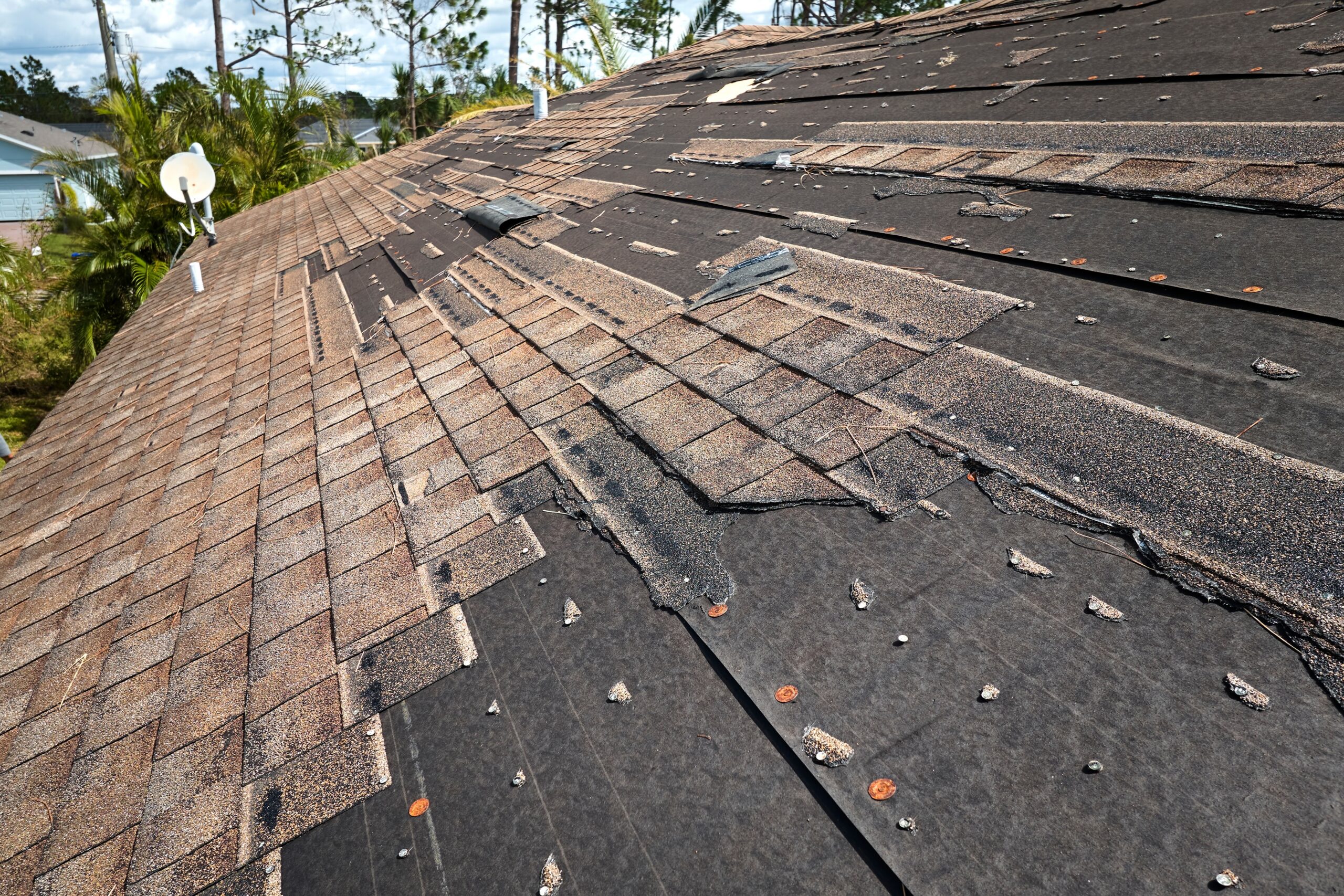
Wind is one of the most common causes of roof damage in Florida, but it is often misunderstood by homeowners. Many people assume that only hurricanes can cause serious roofing issues, when in reality, asphalt shingles can begin to weaken at much lower wind speeds. Even routine thunderstorms can generate enough force to affect the integrity of your roof.
The challenge is that wind damage is not always obvious. Shingles may remain in place, and there may be no immediate signs of a leak. However, the roof may already be compromised. Adhesive seals can break, shingles can loosen, and small openings can form, allowing water to enter gradually over time.
Understanding what wind speeds can damage asphalt shingles (and how that damage develops) can help homeowners take action early, avoid costly repairs, and extend the life of their roofing system. Roof Riders works with Florida homeowners to identify wind-related roof damage, provide detailed inspections, and recommend the right solutions to keep homes protected.
Quick Answer: What Wind Speed Damages Asphalt Shingles
Asphalt shingles can begin to sustain damage at wind speeds between 45 and 60 mph, which are common during Florida thunderstorms.
At this level, wind can lift shingles, weaken or break the adhesive seal that holds them in place, and create small openings where water can enter. Even if shingles remain attached to the roof, they may no longer provide full protection.
As wind speeds exceed this range, the likelihood of visible damage (such as missing shingles, exposed areas, and flashing issues) increases significantly.
Why Wind Is Especially Damaging to Roofs in Florida
Florida’s climate exposes roofs to repeated wind events throughout the year. Unlike isolated storms in other regions, Florida homes experience frequent thunderstorms, seasonal storms, and hurricane activity that gradually wear down roofing materials.
Wind does not simply pass over the roof surface. As it moves across the roof, it creates pressure that pulls the shingles upward. This uplift effect targets the edges of shingles where the adhesive seal is located. When wind repeatedly lifts these edges, the bond weakens over time.
At the same time, wind-driven rain can be forced into small gaps created by lifted or loosened shingles. This combination of uplift and moisture intrusion can affect multiple layers of the roofing system at once, increasing the risk of long-term damage.
4 Common Types of Wind Damage to Shingle Roofs
1. Wind Uplift and Loosened Shingles
One of the most common effects of wind is uplift. As wind moves rapidly across the roof, it can lift the edges of shingles repeatedly during a storm.
Even if the shingles settle back into place afterward, the adhesive seal underneath may be weakened or broken. This makes the roof more vulnerable to future storms and increases the likelihood of water intrusion.
Over time, these weakened areas can develop into leaks or larger structural issues if not addressed.
2. Missing Shingles and Exposed Areas
At higher wind speeds, shingles may be torn off completely. This is one of the most visible signs of wind damage.
When shingles are missing, the underlying roof deck is exposed to the elements. This allows water to enter immediately, which can lead to interior damage. Even a small exposed area can result in significant problems if left unrepaired.
Prompt repair is essential to prevent further deterioration.
3. Granule Loss from Wind Stress
Wind can also contribute to granule loss on asphalt shingles. Granules protect shingles from UV exposure and help maintain their durability.
After a strong wind event, granules may accumulate in gutters or near downspouts. While some granule loss is normal over time, an increase after a storm can indicate that the shingles have been stressed or damaged.
Loss of granules shortens the roof’s lifespan and makes it more susceptible to future weather conditions.
4. Damage to Flashing and Roof Components
Wind can affect more than just shingles. Flashing around vents, chimneys, and other roof penetrations can loosen or shift during a storm.
Even small changes in flashing position can create gaps where water can enter. These areas are especially vulnerable because they are designed to divert water away from roof openings.
Damage to these components can lead to leaks even when the rest of the roof appears intact.
What to Check After a Wind Storm
After a storm, homeowners should perform a basic inspection once it is safe to do so. While it is important to avoid climbing onto the roof, many warning signs can be identified from the ground or inside the home.
Look for the following:
- Missing, loose, or uneven shingles
- Debris or fallen branches on the roof
- Granules accumulating in gutters or downspouts
- Pieces of roofing material in your yard
- Water stains or discoloration on ceilings
- Damp insulation or musty odors in the attic
These signs can indicate that your roof has been affected and may require professional evaluation.
Why Wind Damage Isn’t Always Immediately Visible
Not all wind damage is obvious right away. In many cases, the most serious problems develop gradually over time.
Shingles that appear intact may have weakened seals, allowing small amounts of water to enter during future storms. These issues can go unnoticed until they manifest as visible symptoms, such as leaks or interior damage.
Hidden damage can result in:
- Slow, ongoing water intrusion
- Rotting wood structures
- Mold growth inside walls or ceilings
- Reduced lifespan of the roofing system
Because of this, relying only on a visual inspection from the ground may not provide a complete picture of your roof’s condition.
How Roof Age Affects Wind Resistance
The age of your roof plays a major role in how well it can withstand wind.
As asphalt shingles age, they become less flexible and more brittle. Adhesive seals weaken, and protective granules wear away. These changes reduce the roof’s ability to resist wind uplift and moisture intrusion.
Older roofs are more likely to experience:
- Shingle cracking or breakage
- Loss of adhesion
- Increased vulnerability to wind damage
If your roof is more than 10–15 years old, it may be more susceptible to damage even at lower wind speeds.
How Roof Riders Helps After Wind Damage
Roof Riders provides comprehensive inspections designed to identify both visible and hidden wind-related roof damage.
Our inspection process includes:
- Evaluating shingle condition and wind-related issues
- Checking for signs of uplift and seal failure
- Inspecting flashing and roof penetrations
- Assessing moisture intrusion risks
- Reviewing the overall condition of the roofing system
By identifying problems early, we help homeowners take the right steps to prevent more serious damage and extend the life of their roof.
When to Schedule a Professional Inspection
You should consider scheduling a professional inspection if your home has experienced:
- Strong winds during a thunderstorm or storm system
- Prolonged or heavy rainfall
- Nearby debris impact or fallen branches
- Visible changes to your roof or interior
Even if you are unsure whether damage occurred, a professional evaluation can provide clarity and peace of mind.
How to Reduce Future Wind Damage
While wind cannot be controlled, homeowners can take steps to reduce the risk of damage.
These include:
- Scheduling regular roof inspections
- Repairing minor issues before they worsen
- Keeping gutters and drainage systems clear
- Trimming nearby trees and branches
- Using high-quality, wind-rated roofing materials
Preventative maintenance can improve how your roof performs during future storms.
Wind Damage FAQ
Can 50 mph winds damage my roof?
Yes. Wind speeds in this range can lift shingles and weaken their seal.
Do shingles need to be missing to be damaged?
No. Shingles can be damaged even if they remain in place.
What are the first signs of wind damage?
Lifted shingles, granule loss, and debris on the roof are common early signs.
Should I repair wind damage immediately?
Yes. Addressing damage early helps prevent more serious issues.
Protect Your Roof from Wind Damage
Wind is a constant factor in Florida weather, and even moderate storms can have a lasting impact on your roof. By understanding how wind affects asphalt shingles and knowing what to look for after a storm, homeowners can take action early and protect their property.If you believe your roof may have been affected by strong winds, Roof Riders can provide a professional inspection and recommend the right solutions to keep your home safe and secure.