
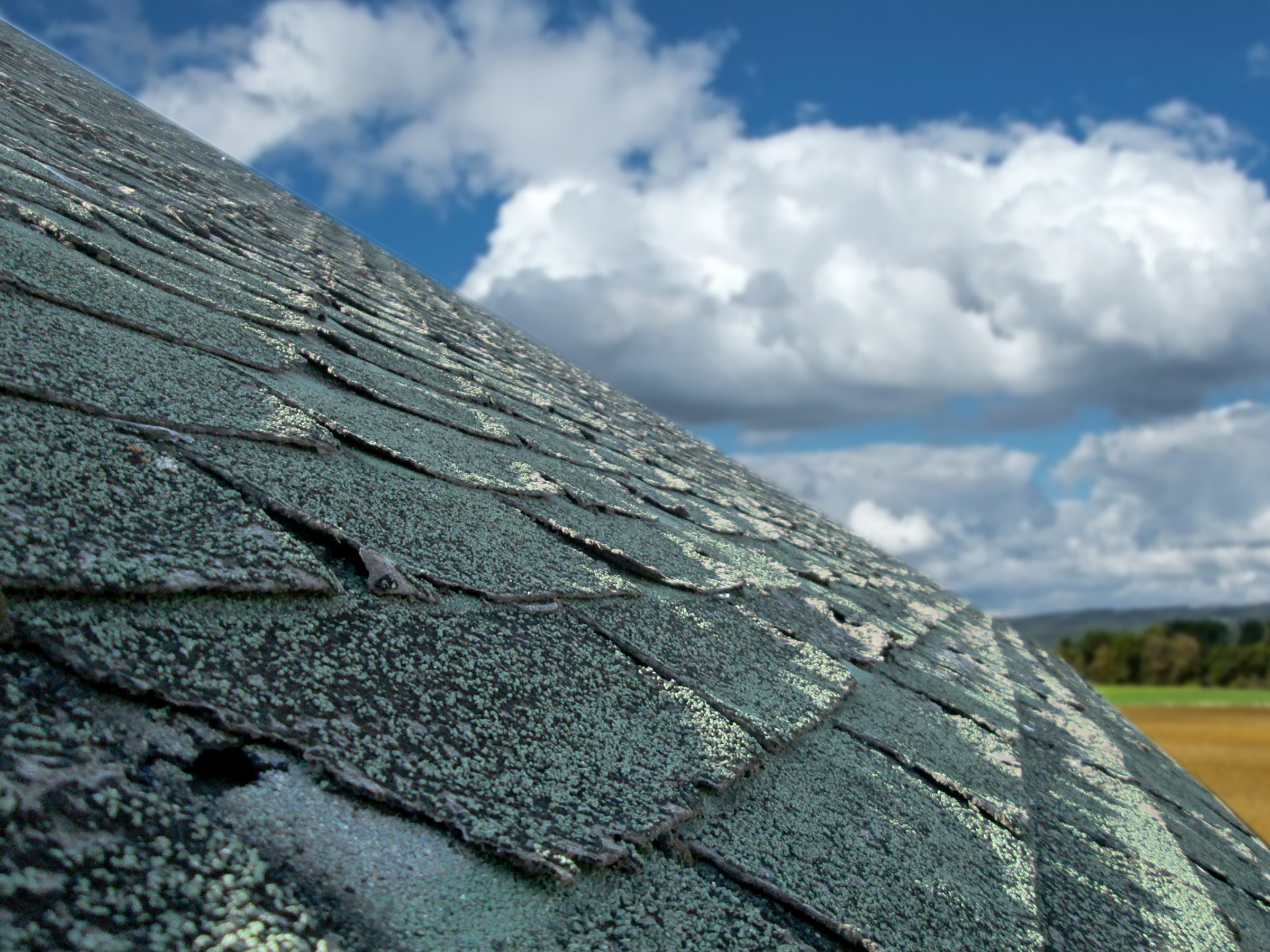
Asphalt shingle roofs are one of the most common roofing systems used on Florida homes, but they do not always last as long as many homeowners expect. While asphalt shingles are designed to be durable and cost-effective, Florida’s climate puts them under constant stress. Heat, UV exposure, humidity, wind, and heavy rain all work together to wear roofing materials down faster than they might in other parts of the country.
This can create uncertainty for homeowners. A roof may still look acceptable from the ground, yet the shingles could already be aging more quickly than expected. Granules may be wearing away, seal strips may be weakening, and small areas of weather-related deterioration may already be affecting the roof’s long-term performance. Because this process happens gradually, many homeowners are unsure whether their roof is still in good condition or is approaching the point where repairs or replacement are needed.
Understanding how long asphalt shingle roofs last in Florida—and what factors can shorten or extend that lifespan—helps homeowners make better decisions about maintenance, inspections, and long-term planning. Roof Riders helps Florida homeowners evaluate roof condition, identify signs of aging, and determine when repair or replacement may be the right next step.
Quick Answer: How Long Do Asphalt Shingle Roofs Last in Florida?
In Florida, asphalt shingle roofs typically last between 15 and 25 years, depending on the quality of the shingles, the installation, the amount of sun and storm exposure, and how well the roof has been maintained.
In many cases:
- Basic shingles may wear out closer to the lower end of that range
- Higher-quality shingles may last longer with proper care
- Roofs exposed to frequent storms, intense heat, or poor ventilation may age faster
Florida roofs often have a shorter practical lifespan than those in cooler or less humid climates, making regular inspections especially important.
Why Florida’s Climate Shortens Roof Lifespan
Florida’s environment is one of the biggest reasons asphalt shingle roofs age faster here than in many other states. The problem is not just one type of weather event. It is the combination of daily sun exposure, high temperatures, humidity, and repeated storm activity.
Ultraviolet radiation gradually breaks down the shingles’ surface. Heat causes roofing materials to expand during the day and cool down at night, creating a cycle of expansion and contraction that puts ongoing stress on the roof. Humidity slows drying after rain, allowing moisture to remain in the roofing system longer. Then, on top of those daily conditions, storms bring strong winds, wind-driven rain, and debris that can further weaken the roof.
Over time, that combination wears roofing materials down gradually but significantly. A roof may not fail all at once, but it may lose years of useful life through constant exposure to the elements.
4 Key Factors That Affect Roof Lifespan in Florida
1. Heat and UV Exposure
Florida sunlight has a major effect on asphalt shingles. The roof surface is exposed to strong UV rays for long periods throughout the year, and that radiation slowly breaks down the materials that shingles rely on for protection.
As this happens, shingles can begin to lose flexibility and surface protection. Over time, homeowners may notice fading, granule loss, or a more brittle shingle texture. Heat also increases the stress placed on the shingles by causing repeated thermal movement. Every day, the roof heats up and cools down again, and that constant cycle contributes to long-term wear.
This is one of the main reasons Florida roofs often age faster, even when they do not appear storm-damaged.
2. Storm Frequency and Wind Exposure
Florida roofs are regularly exposed to thunderstorms, tropical storms, and hurricanes. Even when these storms do not cause obvious damage, such as missing shingles, they can still shorten the roof’s lifespan.
Wind can loosen shingles, weaken adhesive seals, and create subtle movement that makes the roof more vulnerable over time. Repeated exposure to storm conditions can also increase granule loss and create minor damage that is easy to miss from the ground.
Because storm damage is often cumulative, the impact on roof lifespan may not be immediately apparent. Instead, the roof may gradually become less resistant to future storms and more prone to leaks or deterioration.
3. Installation Quality and Material Choice
The lifespan of an asphalt shingle roof depends heavily on how well it was installed and on the type of shingles used. A properly installed roof with high-quality materials generally performs better and lasts longer than one built with low-grade materials or poor workmanship.
Important factors include:
- Correct shingle placement and alignment
- Proper nailing patterns
- Adequate sealing
- Quality underlayment and flashing
- Use of shingles suited for Florida weather conditions
Even a relatively new roof can have a shorter lifespan if installation problems were present from the beginning. On the other hand, a well-installed roof can often perform much better over time, even under Florida’s demanding climate conditions.
4. Maintenance and Inspection History
Routine maintenance plays a major role in how long a roof lasts. Small problems that are caught early are usually easier and less expensive to address. When minor issues are ignored, they can worsen and shorten the roof’s lifespan.
Regular inspections can help identify:
- Early granule loss
- Small areas of cracking or curling
- Flashing movement
- Minor storm damage
- Moisture-related concerns in vulnerable areas
A roof that receives regular attention is more likely to reach the upper end of its lifespan than one that is only checked after major problems appear.
Signs Your Roof May Be Aging Faster Than Expected
Homeowners should be aware of signs that an asphalt shingle roof may be nearing the later stages of its life. Some of these warning signs are visible, while others require a closer inspection.
Look for the following:
- Shingles that are cracked, dry, or brittle
- Curling or lifting along shingle edges
- Granules accumulating in gutters or near downspouts
- Uneven or discolored sections of the roof
- Repeated leaks or moisture issues
- Wear around flashing, vents, or roof penetrations
These symptoms do not always indicate that the roof has failed, but they often indicate that the shingles are aging and that the roof may be losing performance.
Why Roof Age Alone Does Not Tell the Whole Story
One of the most common misconceptions is that roof replacement decisions should be based only on age. While age is important, it is not the only factor.
Two roofs installed in the same year may perform very differently depending on:
- Amount of direct sun exposure
- Storm history
- Ventilation quality
- Material quality
- Maintenance history
This is why a roof that is 15 years old may still be in good condition in one case, while another roof of the same age may already be showing advanced wear. The actual condition of the roofing system matters just as much as the number of years since installation.
How Florida Conditions Affect Roof Replacement Timing
In Florida, homeowners often need to consider replacement sooner than they would in a milder climate. Even if a roof has not reached the maximum theoretical lifespan listed by the manufacturer, real-world conditions may have already reduced its useful life.
Replacement timing may be influenced by:
- Repeated storm exposure
- Extensive granule loss
- Widespread shingle brittleness
- Declining wind resistance
- Recurring repairs that are becoming less practical
Planning ahead is important. Waiting until the roof is actively failing can increase the risk of interior damage and make the repair or replacement process more urgent and more expensive.
How Roof Riders Helps Evaluate Roof Lifespan
Roof Riders provides detailed inspections to help homeowners understand the actual condition of their asphalt shingle roof, not just its age on paper.
Our inspection process includes:
- Evaluating shingle condition and surface wear
- Identifying signs of heat, UV, and storm-related aging
- Checking flashing, penetrations, and vulnerable areas
- Reviewing signs of moisture intrusion or repeated stress
- Recommending maintenance, repair, or replacement based on overall roof performance
This helps homeowners make informed decisions rather than guessing whether their roof still has useful life left.
When to Schedule a Professional Roof Inspection
You should consider scheduling a professional inspection if your roof shows visible wear or you are unsure of its condition. This is especially important when the roof is entering its later years.
An inspection is a smart idea if:
- Your roof is more than 10 to 15 years old
- You notice cracking, curling, or granule loss
- Your home has been through repeated storms
- You are planning ahead for maintenance or replacement
- You want to know whether the roof is still performing well
Even if there are no active leaks, an inspection can reveal whether the roof is aging normally or deteriorating more quickly than expected.
How to Help Your Roof Last Longer in Florida
While Florida’s climate cannot be changed, homeowners can take steps to extend the lifespan of an asphalt shingle roof.
These include:
- Scheduling routine roof inspections
- Addressing minor repairs early
- Keeping gutters and drainage systems clear
- Maintaining proper attic ventilation
- Trimming nearby trees and reducing debris accumulation
- Choosing high-quality shingles when replacement is needed
Preventative care does not eliminate aging, but it can help the roof perform better for longer and reduce the chance of premature failure.
Roof Lifespan FAQ
How long should an asphalt shingle roof last in Florida?
In most cases, between 15 and 25 years, depending on climate exposure, material quality, and maintenance.
Do asphalt shingles last longer in cooler climates?
Yes. In general, cooler and less humid environments put less daily stress on roofing materials than Florida conditions do.
Can regular maintenance really extend roof life?
Yes. Identifying and fixing small problems early can help prevent more serious deterioration and improve long-term performance.
Should I wait until my roof leaks before replacing it?
No. Waiting for active leaks often means the roof has already moved beyond early warning signs and may be causing hidden damage inside the home.
Plan Ahead for Your Roof’s Lifespan
Knowing how long asphalt shingle roofs last in Florida helps homeowners make better long-term decisions about maintenance, repairs, and replacement. In a climate as demanding as Florida’s, roof lifespan is shaped by more than just age. Heat, UV exposure, storms, installation quality, and maintenance all affect how well the roof performs over time.If you are unsure how much life your roof may have left, Roof Riders can provide a professional inspection and help you understand the next best step. With the right evaluation and maintenance plan, homeowners can protect their property and make more confident roofing decisions before small issues turn into major problems.